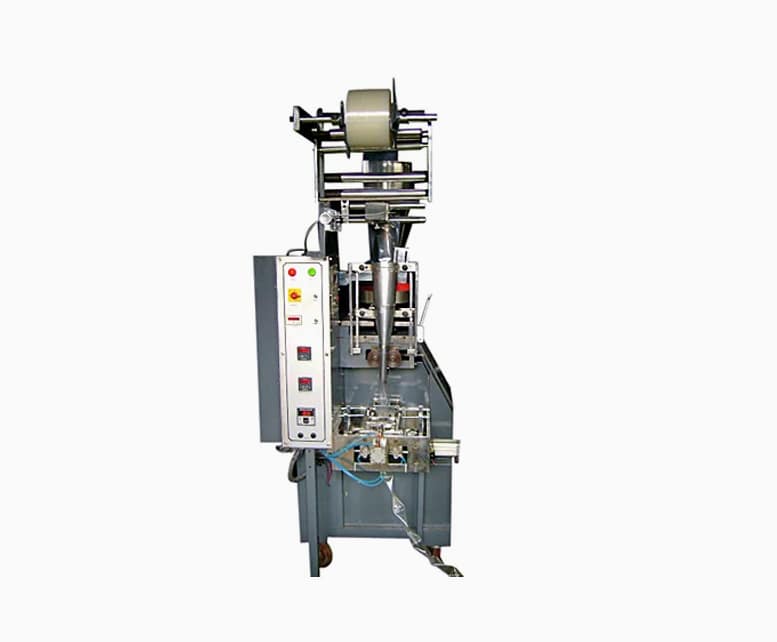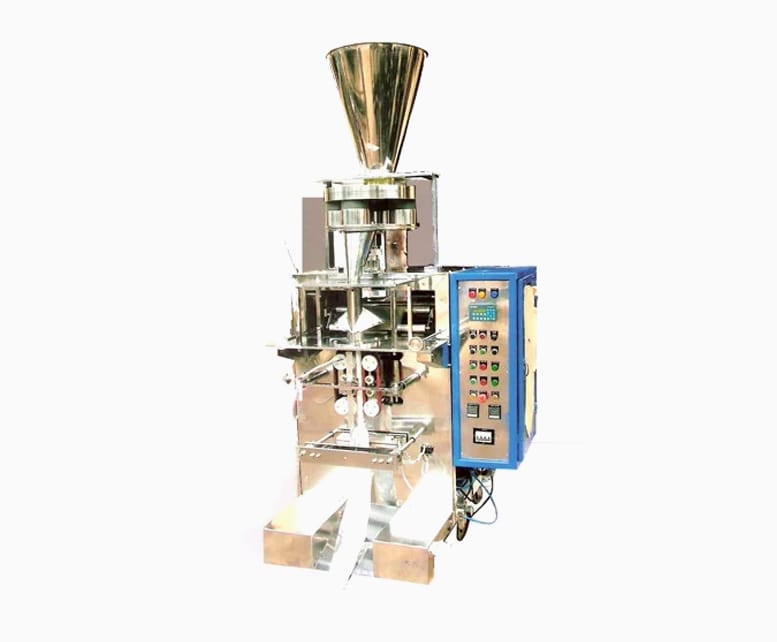


A Food Packaging Form Fill and Seal (FFS) Machine is an automated packaging machine that forms pouches from flexible packaging film, fills them with food products, and seals the finished packages in a continuous process.
The machine unwinds packaging film, forms it into the required pouch shape, dispenses the food product into the pouch, seals the package, and cuts or separates the finished packs.
The main benefits include automated packaging, consistent filling, high production efficiency, accurate pouch formation, reliable sealing, reduced manual labor, and improved packaging consistency.
Suitable flexible and heat-sealable films can be used depending on the machine and product. Laminated films, plastic films, and other food-compatible packaging structures may be suitable when compatible with the sealing system.
A Fully Automatic Cup Filler Machine is an automated packaging machine designed to dispense a predetermined quantity of a suitable product into cups and perform operations such as cup feeding, filling, sealing, and discharge with minimal operator intervention.
Key advantages include high production efficiency, consistent filling quantities, automatic cup handling, reliable sealing, reduced manual labor, improved packaging consistency, and streamlined production.
Depending on the machine design, suitable cups made from materials such as plastic, paper, or other compatible packaging materials can be used. Cup dimensions and material compatibility should be confirmed before selecting the machine.
Many machines can accommodate different cup sizes within their specified operating range. Change parts, tooling, or adjustments may be required when changing cup dimensions.
Filling accuracy depends on the filling technology, product characteristics, filling volume, machine settings, and operating conditions. The expected accuracy should be confirmed for the specific machine and product.
Yes. Depending on technical feasibility, customization may include the number of filling heads, filling volume, cup dimensions, sealing system, product-contact materials, control system, automation features, and conveyor arrangement.
Routine maintenance may include cleaning and sanitation, inspection of filling valves and seals, checking sensors and drives, inspecting the cup-feeding system, lubrication where applicable, and replacement of normal wear parts.