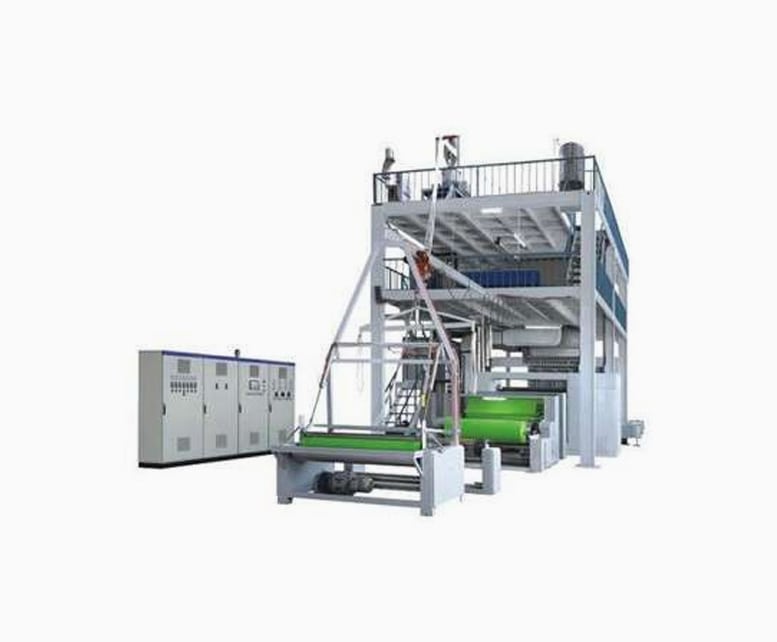


A Nonwoven Fabric Machine is industrial equipment used to manufacture nonwoven fabrics from synthetic or natural fibers. Depending on the machine configuration, it can include processes such as fiber preparation, web formation, bonding, heating, cooling, winding, and fabric cutting.
The machine processes fibers or polymer materials into a continuous web and bonds the fibers using a suitable manufacturing method. The finished nonwoven fabric is then wound into rolls or cut into required sizes.
Common raw materials include polypropylene (PP), polyester (PET), viscose, polyethylene, biodegradable fibers, and other compatible synthetic or natural fibers.
Yes. Polyester fibers can be processed on compatible nonwoven production equipment, particularly for applications requiring specific strength, durability, or filtration properties.
Nonwoven fabrics are used in medical products, hygiene products, agriculture, filtration, packaging, furniture, construction, automotive components, geotextiles, protective products, and various industrial applications.
Yes. Machine width can be selected according to production requirements. Some lines may also include suitable slitting or cutting systems for producing narrower fabric rolls.
Modern production lines can be highly automated, with automatic controls for material feeding, temperature, web formation, winding, cutting, and other production functions.
Important factors include the desired nonwoven technology, raw material, fabric width, GSM range, production capacity, fabric application, automation level, finished-roll requirements, available space, and utility requirements.